Exam Stress Toolkit
Practical techniques for exam anxiety: what stress is doing, three in-the-moment resets, a thought-reframing worksheet and when to ask for help.
About this resource
Some stress before an exam is useful; it sharpens attention. Too much shuts down the working memory you need to think. This toolkit explains the difference, then gives you tools for each stage: a breathing reset and a grounding routine for the moment panic arrives, a worksheet for catching and reframing the catastrophic thoughts that fuel it, a weekly pressure check to notice when things are building, and a clear page on the signs that mean it is time to talk to someone and who that can be. Nothing here replaces professional help; it is the first-aid kit for ordinary exam pressure.
What is included
- What stress does to thinking, and why some is useful
- Three in-the-moment resets: slow exhale, 5-4-3-2-1 grounding, the next small action
- Thought-catching and reframing worksheet with worked examples
- Weekly pressure check with a simple traffic-light score
- When and how to ask for help: signs, people, UK support lines
Who it is for
Students who feel exam pressure building, friends and parents who want to help, and teachers looking for a handout.
Inside the PDF
- What stress is doing
- Catching and reframing thoughts
- Weekly pressure check
- When and how to ask for help
Related resources
 Worksheet
Focus Session Tracker
A Pomodoro-style log for 25-minute focus sessions with a distraction tally, so you can see what breaks your concentration and fix it.
PDF13 pages284 KB
 Template
Sleep and Energy Log
A two-week log of sleep, energy and study quality that shows how your nights affect your work, with a page to turn the pattern into a plan.
PDF9 pages267 KB
 Planner
30-Day Study Habit Tracker
Build up to five study habits over thirty days with a tick grid, weekly reflections and a habit-design guide that makes the habits stick.
PDF9 pages276 KB
Questions, answered
How to get the most from this resource.
Try BrightStudy free and upload your first document, or email us at support@brightstudy.ai.
Is it normal to feel this stressed?
What do I do if I panic in the exam?
What is reframing?
Who can I talk to?
Pair it with BrightStudy
Move across the strips · tap one to explore
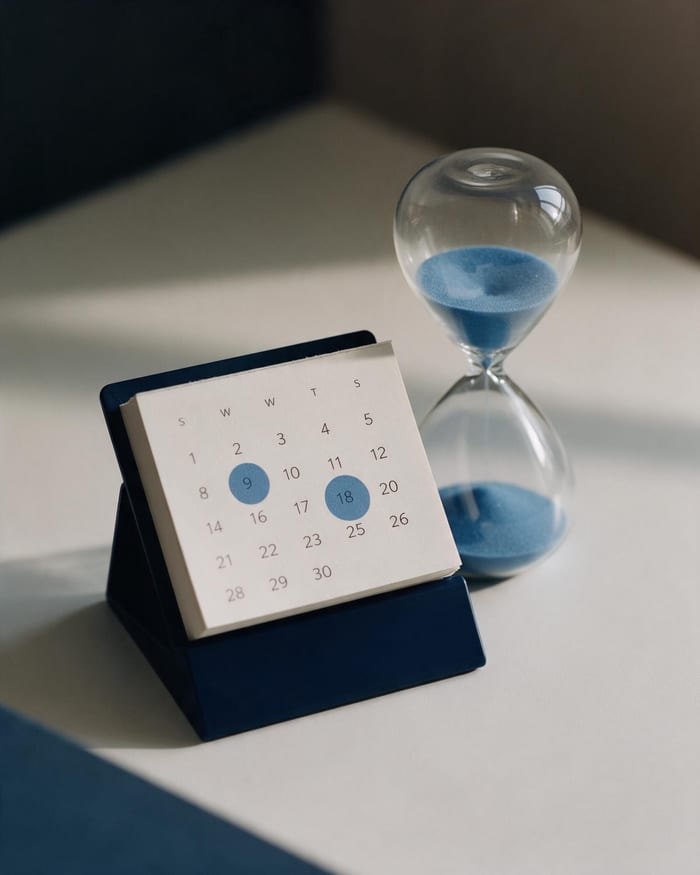



Plan on paper. Revise with BrightStudy.
Upload your notes and get Study Docs, flashcards and MCQs in minutes, then let spaced repetition decide what to review each day.
- Free plan to get started
- Study Docs, flashcards and MCQs
- Runs in your browser