Past Paper Strategy Guide
How to get the most out of every past paper: when to do them, how to mark like an examiner, and how to turn lost marks into a revision list.
About this resource
Past papers are the best revision tool there is, and most students use them badly: too early, untimed, marked generously and never looked at again. This guide sets out a method. It explains the three ways to use a paper (by topic, by question type, and as a full timed rehearsal), how to mark against a scheme the way an examiner does, how to read command words, and how to turn every lost mark into an entry on a list that drives the next week's revision. A paper log and a command-word reference are included.
What is included
- Three ways to use a past paper and when each is right
- Marking like an examiner: scheme conventions, levels of response, common deductions
- Command-word reference with what each one requires
- Paper log for twelve papers with score, time and the three biggest losses
- Lost-marks list that turns results into next week's revision
Who it is for
GCSE and A level students and undergraduates with access to past papers and mark schemes, in the last two months before an exam.
Inside the PDF
- Three ways to use a paper
- Marking like an examiner
- Paper log
- Lost-marks list
Related resources
 Checklist
Exam Day Checklist
Everything to do in the week before, the night before, the morning of and the first five minutes of an exam, on one printable sheet.
PDF10 pages268 KB
 Template
Essay Plan Framework
A plan-before-you-write template for timed and coursework essays: thesis line, paragraph planner with evidence and link, and a timing guide.
PDF11 pages277 KB
 Worksheet
Exam Error Log
Log every mistake from practice questions by type, find your patterns and turn them into a short fix list that actually changes your next score.
PDF9 pages238 KB
Questions, answered
How to get the most from this resource.
Try BrightStudy free and upload your first document, or email us at support@brightstudy.ai.
When should I start doing past papers?
How strictly should I mark?
What if I run out of papers?
How do I use the lost-marks list?
Pair it with BrightStudy
Move across the strips · tap one to explore


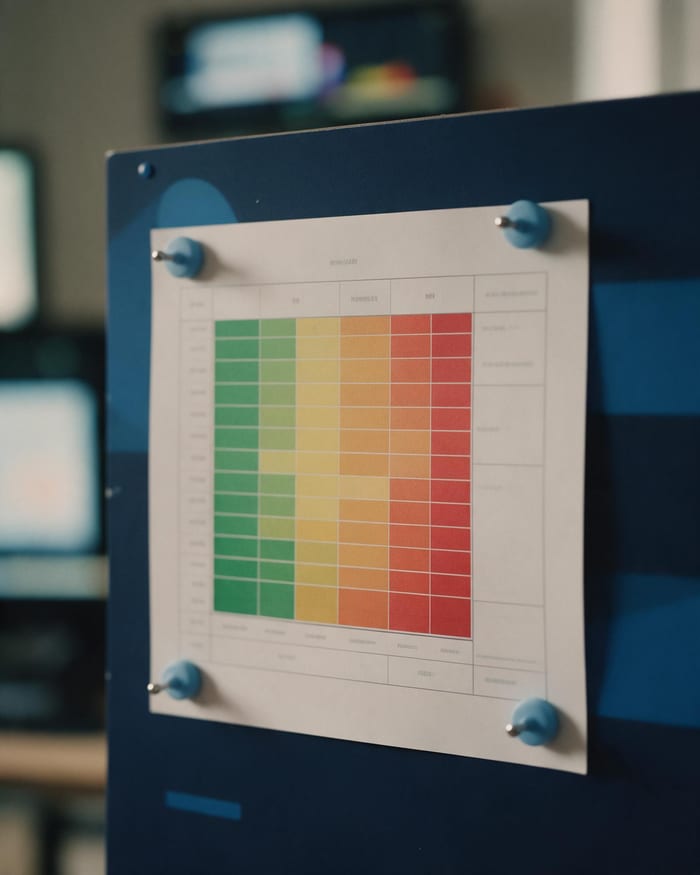

Plan on paper. Revise with BrightStudy.
Upload your notes and get Study Docs, flashcards and MCQs in minutes, then let spaced repetition decide what to review each day.
- Free plan to get started
- Study Docs, flashcards and MCQs
- Runs in your browser